

One Year Later: How to Keep Living While Living With Stage 4 Cancer
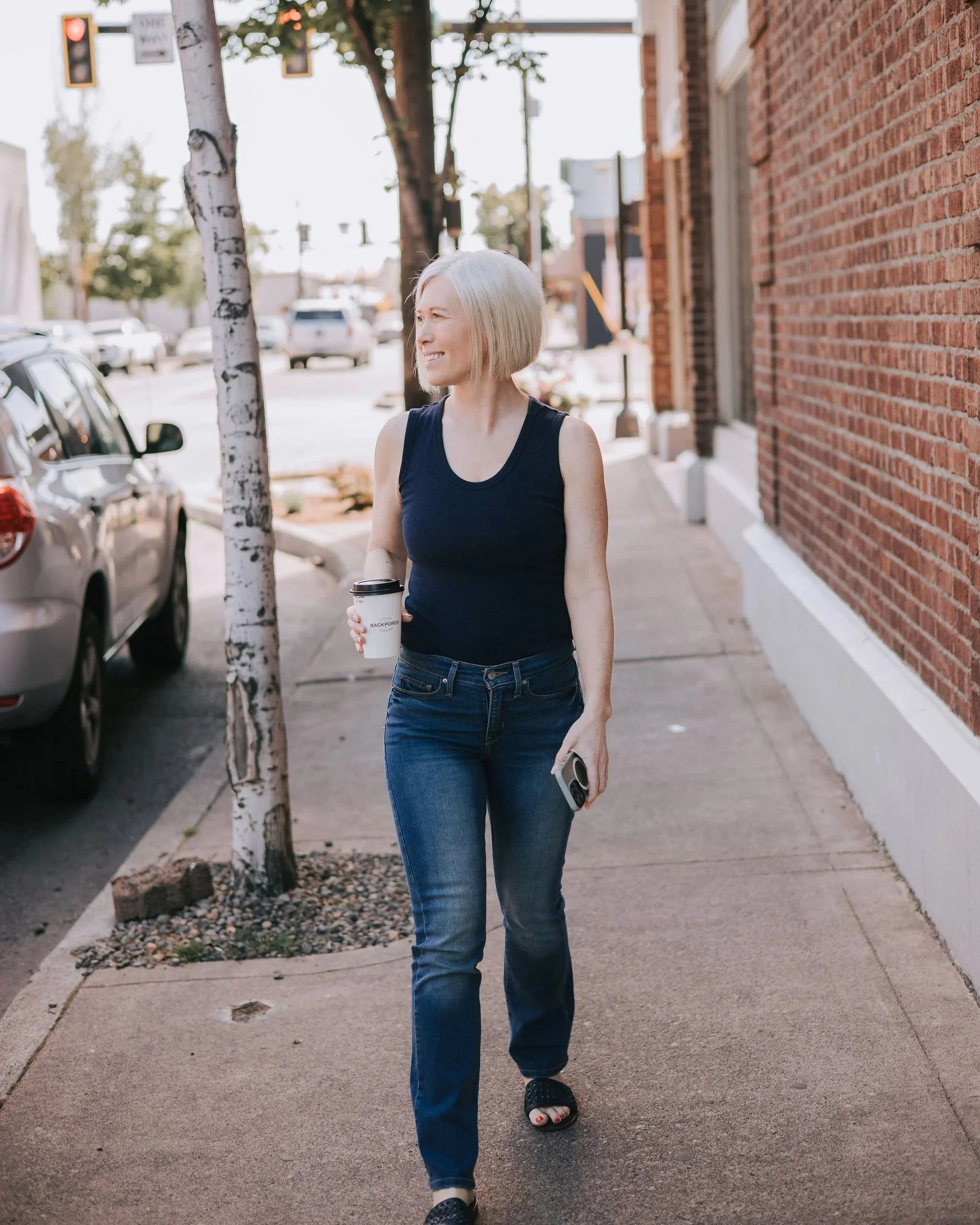
Here’s the thing about receiving the news that you “have stage four cancer,” and having your entire life change in an instant. While everything does immediately change, and your whole world is suddenly turned upside down, that traumatic moment doesn’t last forever.
Now, granted, I am sharing from the incredibly fortunate place of having been lucky enough to pull through the initial stages of the diagnosis, receive treatment, and begin to see a light at the end of the potentially fatal life tunnel.
In fact been a whole year since I was diagnosed with stage four Melanoma, and every single day, I am grateful for the treatment I’m recieving, fact that it is working, and enough time has passed that I’ve been able to reformat my life as a woman, a mother and wife, a business owner, and writer, to function along with the newest element of who I am – a woman living with stage four cancer.
Cancer changed my life, but it didn’t stop the world from spinning. And some days this knowledge is a comfort, while other days, knowing that life keeps happening, despite cancer, is incredibly difficult. But regardless of the scans, treatment infusions, doctor’s appointments, second opinions, and emotions that come with having and treating cancer, there’s another reality that simultaneously exists. It’s the one where groceries still need to be bought, and kids still need to be taken to sports practices and tournaments. It’s the reality where clients send emails at inconvenient times, and your business still needs to be managed along with your team. Birthdays, anniversaries, and vacations can’t just be placed on hold – even if you have cancer.
And do you know what? I want to live all of this. I don’t know about you, but just crawling under a warm, dark blanket while life, family, and friends continue to live isn’t an option for me. So, I’ve discovered a critical truth over the past year of having and treating cancer, while still being a mom, running my business, supporting my husband, and actually living life:
Continuing to live your life to the fullest, while living with cancer, doesn’t mean you are ignoring or minimizing the fact that you’re fighting the biggest battle of your life. It means there’s room for both. You can both have cancer and be a participant in your life. You can go to treatment and go on that trip at the same time. You can be a supportive spouse and parent, in between treatments and doctor’s visits. Is it easy? No. But it is possible, and here’s how I’ve done it over the course of my cancer diagnosis and treatment – which is still in progress.
Stop waiting for life to feel certain again
When I was first diagnosed with cancer, everything was placed on hold. Granted, I was misdiagnosed at first, and thought I might only have a few months to live, and then there were multiple hospital stays, frequent appointments with my oncologist, infusions…I’ll stop there because the list could go on and on.
But right around the time I received my first scan, a scan that also showed the cancers in my pancreas and liver were shrinking, I began to feel hopeful again, and my energy and stamina started to come back. This was also around the time I began to feel claustrophobic and trapped in the cycle of waiting for something to happen or change, so I could plan, get back into a routine, and look for opportunities to do things more than a few miles from home.
Aside from my personal desire to get out of the house, there were also needs from my family; the kids had sports, and friends they wanted to see and participate with. My husband needed to get back to traveling for work, and my own work and team needed my attention.
So, I started trying, slowly but surely, to return to a “new-normal” routine, but it was way harder and scarier than I imagined. It felt like every time I would take two steps forward, something would shift, or my body would give out, and I’d take one step back. Learned really quickly that while I could set routines and plan for positive changes, I also needed to be realistic about my limitations and have a plan B if things went haywire or I just couldn’t do what I planned.
Fortunately, if you’re in a zone where you’re living with cancer and want to get back to normal life, there’s hope. It just may not look exactly like it did before or as you imagined. You can check out more information on living with cancer from Macmillan Cancer Support and the American Cancer Society, both of which suggest a realistic and flexible approach.
Plan the trip, with a few more backup plans
It can be really hard to wrap your head around traveling when you’re in the midst of cancer treatment, but that being said, if you, like me, have a long treatment road ahead of you, the idea of doing nothing at all is just as chilling.
I’m not suggesting that you should throw out your doctor’s orders, and go with the wind, and leave the country for six months – I mean, if you can and still have a way to get the treatment you need, go for it! But I am saying that there’s something incredibly healing and fulfilling about planning a special trip or vacation that might do your body and mind more good than sitting at home waiting for the other shoe to drop. I know that was the case for me. I took my first solo trip about eight months after my cancer diagnosis, and it was exactly what I needed to feel like myself again
There are just a few things to consider and take into account as you plan your travel alongside your cancer treatment plan.
Coordinate around treatment and appointments - Getting the cancer out of your body likely is your first priority. So, plan your travel around your treatment schedule so you don’t delay or hinder your health and healing process.
Speak with your medical team before traveling - Not all cancers are the same. Not all doctors are the same. And not all treatments are the same. Your situation is different than mine, and the next person’s. So talk with your doctor and care team. Plan with them, not against them. I promise they want your happiness just as much as you do, and will be as helpful as possible to allow you to live while fighting cancer.
Plan for where you could receive care if needed - It’s not to say you will need it, but being realistic and understanding where and how you can get medical care quickly if something goes south is incredibly important when you’re traveling with cancer. Also, I have tried to keep my travel within well-established areas, so that I can quickly and easily get help if I needed it.
Bring medications and medical information - This is probably not one you would forget, but does deserve a mention. Don’t forget your meds and vitamins. This is not a time to just wing it.
Select a trip that fits your current mode of operation - Whether you’re dealing with intense fatigue, nausea and vomiting, or a slew of other side effects, plan your travel around your current stamina and needs. Probably going on a 10-day hike in the wilderness, when you need to take three naps throughout the day, isn’t going to be fun or realistic.
Build rest into the itinerary - Yes, your body is fighting battles on multiple fronts right now, and you’re not just going to be able to power through it all the time. So, don’t. Plan for rest and recovery – in fact, work it into your travel schedule, so you don’t completely burn yourself out.
Ultimately, you may need to first surrender to the fact that travel will look different now. Just because you can’t do anything you want right now doesn’t mean that planning a trip and finding ways to travel isn’t worth it. Try to let go of the desire to have things go back to the way they were, and find the pathways available to you in this new normal to live a fulfilled life!
Keep working, but rewrite what productivity means
The lesson does not have to be “keep hustling.” It can be: Work when it gives something back to you, and stop using your old capacity as the standard for your current life.
I don’t consider myself to be in the “depths of despair” over my cancer diagnosis, and the subsequent fallout and scramble that came along with it at the beginning anymore. I’m in more of a cautiously optimistic, holding pattern phase now. But one of the most interesting things that I discovered while I was in the early stages of diagnosis and treatment was how much the regularity and distraction of work helped me. Granted, I am incredibly lucky that I work remotely and own my own business, but those factors can also be a double-edged sword. I am also on the hook for anything that goes down or goes haywire with my marketing business.
Working through my cancer diagnosis and treatment has been one of the most helpful and rewarding aspects of this shift in my life, and here’s why:
Purpose and distraction - I’m not going to lie, there were a number of days in the early months post cancer-diagnosis that I didn’t know how I was going to get through the day. All the news felt bad. People kept telling me to “just relax and rest,” and even though I was so weak and could barely eat, the idea of just sitting aimlessly on the couch for days on end was almost more depressing than all the other battles I was fighting. Work, meetings, team needs, and the mundane tasks I could do from the couch on the computer gave me purpose and a much-needed distraction.
Normalcy and connection - While there were days I had to skip meetings, because of doctor’s appointments, or other issues, and there were a lot of days that I took calls with my camera off because I could barely get out of bed, the ongoing and regular cadence of work gave me a sense of normalcy, and regularity in my life in a completely insane time, as well as a sense of connection with the outside world. On my calls, I was still valuable; no one was walking on eggshells, no one was treating me like I was sick, and it was the thread I needed to my past self.
The benefits I just listed above are just a few reasons why, if you’re dealing with a severe illness or late-stage cancer diagnosis, I would try to keep working. But, that being said, there are some incredibly essential ways in which I would recommend showing up for your work or career while you’re also working to support yourself through cancer.
Here are some of the harder parts of working with cancer, and how I handled them in the beginning stages of my diagnosis, and still manage my business now:
Plan for Sudden Energy, Symptom, and Side Effect Shifts - You can plan to be in the office, or on 10 calls in one day, two days after an intensive treatment, but you need to have a back-up plan always in place for the possibility that you might be hanging over a toilet bowl and unable to come to the phone, or completely exhausted and unable to get out of bed.
What Worked for Me? I would plan to be there, but have a teammate or employee ready to take over if I couldn’t make it.
Group Treatment Days and Appointments - If possible with your work schedule, try to group your appointments and treatment days close together, so you can have “do not disturb” days and “open for business” days in your schedule each week.
What Worked for Me? I made Mondays and Fridays my standing appointment days, and then scheduled all my work meetings and tasks in the middle of the week.
Give Yourself Grace for Brain Fog and Emotional Exhaustion - What you’re dealing with in your experience with cancer is A LOT. It’s lonely, it’s challenging, it’s scary, and some days the uphill battles feel insurmountable. Brain fog is really from cancer treatment, and the emotional exhaustion of trying to stay positive and dealing with a completely sh*tty situation is just too much at times.
What Worked for Me? I had to quickly realize that most everything I thought I had to do, or thought was important in my work, could wait if I needed to pause. And some days, I just needed and still do need to lie in bed all day, or watch 100,000 episodes of some silly show to take my mind off of the enormity of my health situation. And that’s okay. It’s all still there the next day.
Parent through it, not around it
Oh, man. This is still one of the hardest things for me to talk about and wrap my head around. Parenting with cancer is no joke, and there are so many ways it has stretched me to the edges of my mental, emotional, and physical capacity.
The first thing I’ll say is that there is no right way to parent your children and deal with a cancer diagnosis. The tension from external and internal sources between protecting children from trauma and being honest with them about what’s actually going on is real, and no two people have the same opinion about how much should be shared, when to share it, and how to communicate the truth and protect your kids at the same time.
Here’s what I learned from, a) learning I had stage four cancer in an urgent care, and being rushed to the hopsital, where I then stayed for two-plus weeks, b) thinking I only had months to live, and seeing my body shrivel away in front of my family for months before it got better, and c) making it through all of that to a stage where I now have hope for the future.
You Cannot Hide the Truth - Children (no matter their age) are incredibly perceptive and inquisitive. You can try to hide what’s going on, but I guarantee you it will come out in one way or another.
Someone can accidentally tell your kids what’s going on (that happened to us).
They will see how your energy and looks are changing, and you cannot hide that.
You will suddenly have tons of appointments, and shifts in energy that may make normal life look entirely different.
Be Timely, Honest, and Age-Appropriate - You can be honest with your kids and not share every gory detail of what’s going on with your diagnosis and treatment. What’s just as important, though, based on my experience, is to find time to talk about what’s going on as soon as possible.
But I’m sorry to tell you, being honest three months after something happens isn’t going to play out well. People talk, and kids listen. If you don’t share what’s happening with your kids, I guarantee you, they will hear it from someone else, and nothing is worse than having to explain why you weren’t the one to tell them that you or your partner are dealing with a significant health issue.
Hard Stuff Can Coexist with Normal Life - This may be the hardest thing your family has encountered so far – or, if you’re like us, it’s just one of the hard things. Regardless of your children’s past experiences with difficult life moments, this is a critical time for them to see that challenging and scary stuff can coexist with normal life moments.
Find simple daily routines that create normalcy in the chaos
Let them talk about how hard this is for THEM, not you
Allow them to be angry (anger is part of the grieving and processing stage)
Plan for post-traumatic stress - This experience will affect your children for the long term. Instead of sticking your head in the sand, plan for the fallout.
Get them Professional Support - Honestly, if you can, I would highly recommend getting your kiddos in to see a licensed therapist or counselor to help your family navigate this stage. Headway is a great website for finding therapists in your area.
These are just a few of the things we encountered with our kids. Here’s a great article from Child Mind Institute that goes into How to Help Your Children Cope after a Traumatic Event, if you’d like more detailed advice.
Let Go of Guilt for the Things You Cannot Do - No matter what, there are going to be things that shift, and things you can no longer do after a stage four diagnosis. If you’re a parent like I am, this is going to be really, really hard for you. I had months where I couldn’t attend a single sporting event, and had to lean on friends and family for pickups, drop-offs, and so much more.
Find gentle ways and practices to help you let go of the guilt that will inevitably creep in from not being able to do what you want to do, or once could do for your kiddos.
Instead:
Ask them questions about their experiences when they get home
Have someone film and take pictures of events and send them to you so you can participate
Acknowledge their feelings about your lack of attendance
And most importantly, focus on what you are doing right now – fighting the biggest battle of your life – versus what you’re not doing.
Presence Equals More Than Exertion - Your body needs you to be focused on rest, healing, and hope right now. That means there are a lot of things with your kids, whether they are under the age of fifteen or full-grown adults, that you will likely need to say “no” to or adjust. But the good news is that you can be fully present without exerting energy you don’t have.
Here’s the hard part: being fully present isn’t easy when the future is uncertain, your life is hanging in the balance, and you’re struggling to stay positive about the next scan or next treatment date. My little bit of tough love for you is: You can either let your life and your relationship with your children pass by because you’re too focused on the sad and depressing parts of your health situation, or you can choose to focus on them, their lives, and be present for what’s happening outside of yourself.
Being present doesn’t mean you physically need to be at everything. You can be present on a phone call from bed. You can text an “I love you. How are you doing?” anytime. You can sit and color with your four-year-old instead of making more calls or reviewing your test results for the thousandth time. Being present will help improve your mental health, along with your ability to continue to parent through this absolutely terrifying and deeply difficult experience you are going through right now.
Let friendships change and reveal themselves
It’s amazing how one year can change everything. One year after my cancer diagnosis, I view friendships and relationships as a whole totally differently than I did before. I have always been a giver in my relationships. How much can I do for the person? What can I provide to show that I’m valuable? This tendency is most often called “people pleasing,” and it stems from years of feeling that my only value came from what I could do for and give to others.
Being diagnosed with stage four Melanoma (read the blog about my diagnosis here) stripped everything away. It revealed my role in so many of my friendships and professional relationships and uncovered the actual structure behind them.
In the past twelve months, I’ve seen people fade out of my life, and I’ve found relationships that have enriched it and helped me become stronger. I’ve also accepted and let go of relationships that create toxicity around me and do not help in any way with my healing.
Of all the things cancer has taught me, the hard lesson about which relationships are worth my time and which need to be released, this has been one of the most valuable lessons for me.
Here’s what I would like to share with you about who and how you should share your energy with after a cancer diagnosis:
Do They Step in Without Being Asked? This. Right. Here. So many people will offer to “do something,” and not really mean it, or create more work for you in a time where every single step, action, and decision is weighted by a million factors. The people who just say, “I’m stopping by and bringing you X,” are truly saints in human form. The friends who call just to say hi, and say they’re thinking of you, are the true gems. The ones who text funny memes and cancer jokes, instead of 100s of questions about your next scan, are the ones you need to lean on. Everyone, and everything else can wait.
Did They Disappear When it Got Real? It’s truly heart-wrenching to discover that someone you thought was a solid part of your life just can’t handle the pressure or uncertainty of your new life after a cancer diagnosis. When you discover this is happening to someone, you can fight against it or just let it happen and grieve the loss. I wish I would have let more go and accepted the reality – that some people disappear when things get tough and uncomfortable. This has everything to do with them, and nothing to do with you.
Do They Require More Attention and Energy Than You Have? You are dealing with the most demanding and emotionally draining thing your body has likely ever faced. Anyone who is demanding that you show up in a certain way, or give them your energy, and time, and updates in a manner that is more draining than it is energetically helpful needs to be removed from your life, at least for this moment. You can disagree with me, fine. I even tried to appease these personalities for a while at the start, but frankly, there came a time when I had to surrender to a hard truth – if I let these people absorb the little bit of energy I have, how will I show up for myself? How will I show up for my kids and my husband? This unequivocal fact forced me to make some hard choices and decisions about who I allowed to have access to my limited time and energy.
Do They Make You Laugh and Feel Comfortable? There is nothing better than the friend who doesn’t change how they act around you, who doesn't walk on eggshells, or act like you’re an invalid who can’t be touched and will break at any moment. The friend who shows up with their own stories and life dramas to share, and jokes they’ve heard about cancer, or a little neighborhood gossip. These are the people who will help you get through this. Lean on them.
The real takeaway here is this: You are allowed to need and want support, without your cancer and health becoming the drama of the hour, or the ongoing series that forces you to provide constant updates, or pretend that everything is okay. It’s not okay, and it’s also not anyone’s business but yours and the people you choose to share it with, because they actually support you – not in theory, but in a real and un-demanding way.
Keep doing deeply ordinary things
There is something surprisingly reassuring about standing in a grocery aisle comparing pasta sauce while also living with a stage 4 diagnosis.
No matter what, don’t stop doing the simple day-to-day tasks (within your capabilities) that provide a sense of regularity and normalcy to your life. While everything might feel hopeless, and the temptation is to curl up on the couch and wish reality away, doing absolutely nothing isn’t going to help you get through the day or find strength to persevere through what you are experiencing.
Ordinary tasks are reminders that you are still part of your life, and more essential than that, doing simple things throughout the day to support yourself or your family fill the time, provide comfort, and even if they are irritating, give you something to focus on besides your lot in life.
Things I can and do still do, even when I’m experiencing too much fatigue or anxiety to do much else include:
Grocery shopping (I shop online, if going into the store is too much)
School, sports, and playdate drop-offs
Client calls and team meetings
Writing and editing (this is part of my job; yours might be “tasks on the computer.”)
Laundry (the kids help with this!)
Watching television with my family
Walking the dog (walks around the neighborhood have kept me sane, and give me energy)
Deciding what is for dinner (yet again)
Watching the sunset from my front porch
Look for joy, but don’t turn it into a job
Do you know what makes my skin crawl? When someone asks me for an update on my cancer diagnosis, and halfway through, says something like, “Well, at least you're still alive.” Queue immediate emotional shutdown.
Seeking joy and happiness in the midst of the turmoil you’re experiencing isn’t my way of saying, “stay positive,” or “focus on the fact that you’re still alive.” I know, because I’m in this with you, that you can simultaneously be immensely grateful for the fact that you are alive, and equally angry, sad, and terrified about what you are going through and the future.
It’s absolutely normal and expected that you will feel a mix of emotions from moment to moment, and day to day, depending on what is happening with your healing process from cancer. My husband said once, “It’s like every time we take two steps forward, we take a step backward soon after.” And you just have to know that this may be the nature of the beast that cancer is for you. The National Cancer Institute notes that fear, anger, sadness, and stress are all normal emotional responses. Joy does not erase those emotions, and these feelings do not have to cancel out your happiness either.
Instead, look for:
Moments of genuine enjoyment - Whether it’s sitting down with a good cup of coffee or catching up on the day with a good friend, savor the unhindered moments where you are just enjoying yourself
Humor can help you cope - It might be someone you find on Instagram that posts off the wall and funny stuff about life or cancer, or the silly jokes your partner makes. Or, maybe you can just laugh at the absurdity of doing labs right before going to a birthday party with your 10-year-old. Whatever it is, try to find the humor in the situation. Because laughter truly is the best medicine.
Celebrate the little stuff - Maybe it’s the fact that you can walk further now than you did at the start of treatment, or are going to social events again. Celebrate anything you can. Because you are amazing! Look at what you and your body are doing right now. Aren’t you proud?
Let good days be good - Believe me, this is a hard one. I sometimes feel like I’m constantly waiting for something bad to happen, or for the other shoe to drop. But just let the good days be just that!
Allow gratitude and sadness to coexist - You can, and you will constantly be emotionally swinging between gratitude, sadness, grief, and thankfulness. Instead of fighting the flow of these emotions, just let them coexist.
Seeking out joyful moments and enjoyable parts of life in the midst of the storm isn’t meant to be an additional job for you as you navigate cancer and treatment. Here’s how I focus on finding joy, without canceling out my feelings and emotions around the crappy parts of cancer.
This didn’t happen “for a reason”
This may make me unpopular, and you’re welcome to unfollow me if you wish. But, I can’t tell you the number of people that have told me, “everything happens for a reason,” or, “I’m sure there’s a lesson in all of this for you.” Let me stop you right there; there are a lot of lessons I’m learning every day, and have learned over the past year since my cancer diagnosis, but I’ll tell you one thing that I’m not going to say to myself or anyone else with cancer… “This happened for a reason.” That is the biggest BS I have ever heard. You can do your own research if you don’t believe me.
There are people who get cancer who do everything right. There are people who live until they’re 100 who eat like crap, drink every day, and smoke. Some things in life just happen. They aren’t fair, they don’t make sense, and there’s no point in picking apart everything that happened before you were diagnosed in the hopes of uncovering some secret reason why you pulled the short straw and were the one to get cancer.
Are there foods that have been proven to cause cancer? Of course. Here’s a list of foods to avoid from the American Oncology Institute, if you’re interested. But are there people who eat these foods all the time and don’t have cancer? Absolutely!
Does stress or trauma cause cancer? It hasn’t been proven, but I’m sure there is an indirect connection. That being said, there are also tons of people who have experienced all the stress and trauma you can imagine and don’t have cancer. Read more about stress and cancer in this article from the National Cancer Institute.
Does drinking alcohol cause cancer? This is one I probably feel holds the most weight. Alcohol is incredibly toxic for the body, and that has been proven. But again, there are tons of people who drink every day and don’t have cancer. Read this from the American Cancer Institute on Alcohol Use and Cancer.
The point is, if you’re getting this kind of feedback, or are beating yourself up over things you did before your cancer diagnosis, that’s not going to help you get through this now. Here are a few ways I’ve handled the information overload, person-to-person feedback, and mixed information being thrown at me since my diagnosis:
Take everything with a grain of salt – i.e., don’t read a million articles on the internet.
Talk to your doctor about anything and everything other people say to tell you to do, or think caused your cancer, or will make it worse.
Come up with a one-liner for the unpredictable moments when someone says something like, “you’re not eating sugar, right?!”
Don’t believe the dime-store doctors. Find medical support and advice based on science, licensed practitioners and specialists, and your actual diagnosis.
Make future plans, even if the future is complicated
Look, I’m not a misguided optimist over here. In fact, my natural tendency is to be more of a pessimist. But there comes a point where you can’t just stay in the house, or constantly check in with your doctors, or any of the number of other things you could be doing that just feel like a slow march towards the next disappointment with your health. At some point, you need to start making plans, not because it’s a guarantee for the future, and not because you’re trying to fit everything in before some impending doom, but because, as Andy Dufresne (played by Tim Robbins) in The Shawshank Redemption said, "I guess it comes down to a simple choice, really. Get busy living, or get busy dying."
So, please, remember that you’re still here, and that’s enough of a reason to plan the trip, write the book, imagine your future with your children, buy something for next season, and make plans that extend beyond the next scan.
Cancer can take up space without taking over
Continuing to live while living with cancer isn’t necessarily bold or inspirational–after all, what other choice do we have? But what I love most about what I’ve learned over the past year of learning that I have stage four cancer, and then learning to live with the uncertainty of my diagnosis, and yet the hope that maybe, just maybe, it will all work out, is that none of us know what the future holds, and therefore, we can live like we’re going to live forever…within reason of course, while also savoring the little things, knowing that life is blip. Whether you live to be 100 years old, or go before your time, the life you choose to live is truly your choice. How will you live it?