

Immunotherapy and Stage Four Cancer: What I’ve Learned from Treatment
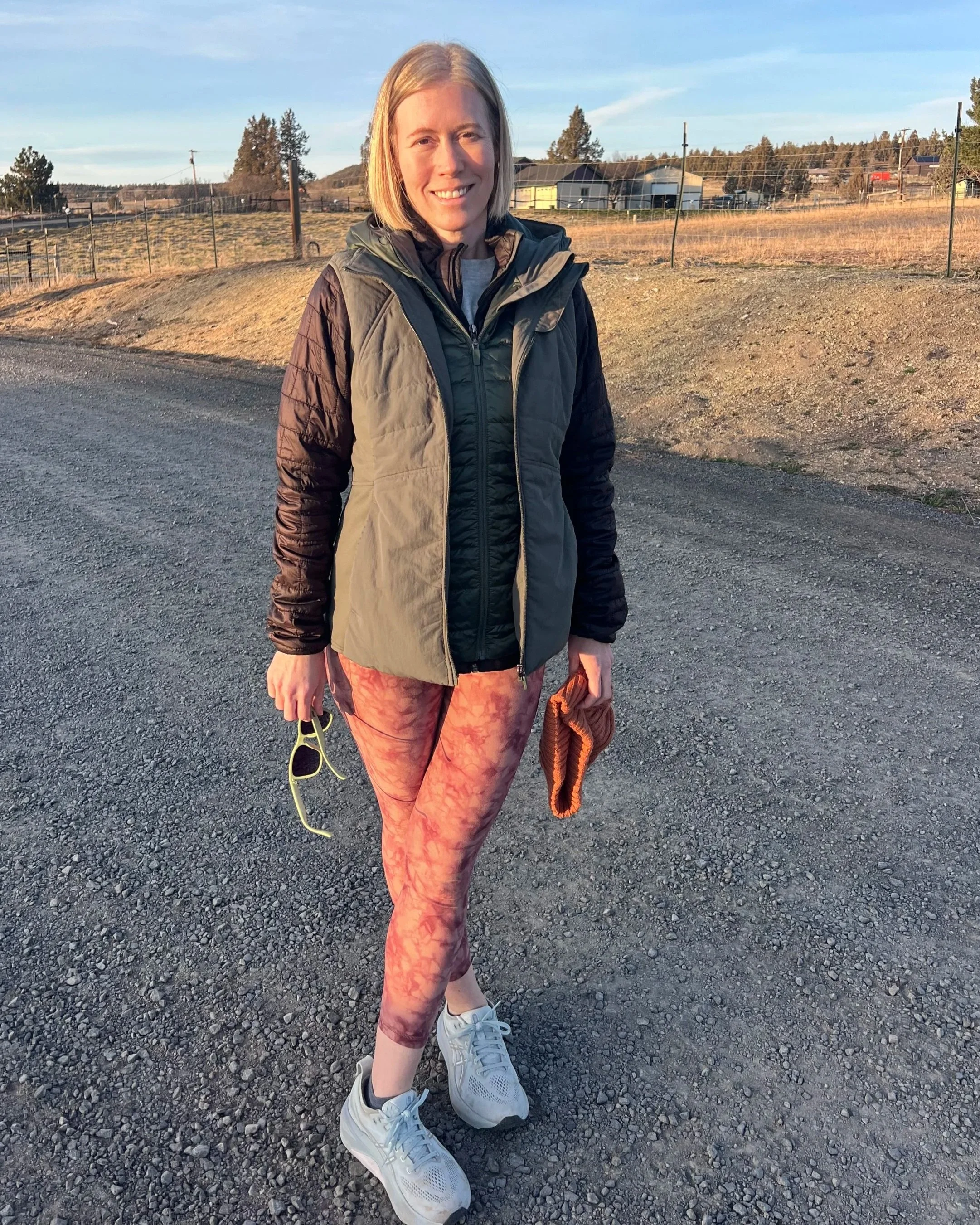
It’s interesting being on this side of things with cancer. First, there was the stage of “what the eff is happening?” “Am I really being diagnosed with stage four cancer?” Then there was the stage of finding out I was a candidate for Immunotherapy, which was a whole set of emotional waves, joys, and fears in itself. And then there was the stage of actually getting treatment, and living with the joys, anxiety, relief, side effects, and uncertainty that came along with it.
So, whether you’re reading this because you have been diagnosed with cancer, and are being advised to treat your cancer with Immunotherapy, you have someone in your life who is about to start treatment, is already going through Immunotherapy treatment, or you’re looking into this cancer treatment path for some other reason, I hope my journey and story as a patient is helpful, and gives you an authentic perspective that supports you with whatever stage you are at.
First, let me preface by saying, I am writing this post, and I still have stage four cancer. I was diagnosed with Metastatic Melanoma in my pancreas, liver, and two lymph nodes in the summer of 2025. At first, I thought I had only months, or maybe a year to live. But after a few biopsies and results showing that the cancers in my digestive system were Melanoma, instead of another form of pancreatic or liver cancer, I was advised to start immediately on Immunotherapy as treatment.
If you want the full story about my cancer diagnosis, you can read my post about “What it’s like to find out you have stage four Melanoma.”
Here’s what I now know about Immunotherapy, based on my experience so far.
I will either write additional posts or update this post about things I learn as I progress through the rest of the treatment, which will ideally finish when I am “cancer-free” or “cancer stable.”
First and Foremost, After Your Cancer Diagnosis.
Before you move forward with any kind of treatment, I recommend taking the following steps for yourself. You will likely proceed down the road you are already on, but at least for peace of mind, and because it’s your life, do yourself a favor and start with these initial actions – believe me, I wish I had.
Pause, breathe, assess, and accept - It’s a really shocking and devastating experience to discover you have a late-stage cancer of any kind. Take the time, whether it’s one day or one week, to let yourself assess and accept the fact that you are dealing with this – and I am so, so sorry that you are – and that you need a minute.
Get a second and maybe a third opinion - You need to advocate for yourself. No one else knows your body as you do, or cares about the outcome the way you do.
Write down your questions, and/or choose a spokesperson - When you are talking with your oncologist or healthcare providers, you will find that everything moves at lightning speed. They don’t have time to mince words and are saying things that might not make sense or seem complicated. If you can go into each appointment with your questions and concerns written down, you'll be less likely to forget them in the room.
What the Immunotherapy Treatments Have Encompassed For Me – So Far.
Due to the stage of my cancer, the location, as well as the fact that mine happens to be Melanoma, and not another form of cancer, my oncologist recommended the following treatment regimen.
Of course, if you are going through something similar, your oncologist will have their own advice. Still, I’ve discovered that this is the treatment regimen most practitioners seem to follow for Immunotherapy.
Four Super-Treatment Rounds
Disclaimer: I do not use complete medical terminology in this post. I am writing this from a patient perspective, not as a medical practitioner giving advice. So, PLEASE consult with your oncologist or another medical professional before taking my word for it.
The treatment plan I started with, which was recommended by my oncologist as well as another oncology specialist whom we consulted with, included the following:
Two-Drugs at Once
I was treated through an infusion with two different drugs:
Optivo (Nivolumab) and Veryoy (ipilimumab) were delivered via infusion every three weeks.
4 Rounds of Treatment at 3 Week Intervals
I was informed at the start of this initial phase that I might not make it through all four rounds, but I did! Don’t get me wrong, there were a lot of side effects, but I was able to push through and get to the end of the four treatment rounds, which felt like its own mini miracle.
What Happened Next?
Two weeks after the fourth treatment, I went in for a PET scan. The PET scan showed that the cancers were not only shrinking, but had shrunk by over 60% in my Liver. The reduction in tumor size was the best news I could have gotten. I opened the report and saw these words, “The scan results show that the cancers have decreased in size in both the liver and pancreas…”, and I started bawling my eyes out with happy, relieved tears, of course.
Unfortunately, my incredible scan results also coincided with a life-threatening side effect from treatment. My liver levels were highly elevated, and my oncologist decided to pause treatment and put me on the steroid, Prednisone, to calm my liver down.
I was on steroids for about six weeks, and fortunately, my body responded well to the medication. I will talk about side effects more in the next section.
Right now, I am gearing up to start the next phase of treatment. I will do my best to update this post as I make my way through this next phase. Here is what it will look like for me if I don’t have any issues or “life-threatening” side effects.
Where Do I Go From Here with Immunotherapy?
I will now receive only Optivo (Nivolumab) every two weeks at a half-dose (exact dosage unknown) via infusion.
My understanding is that once I move into this phase, if all goes well, and I don’t have any crazy side effects, I’ll move into getting a full dose of Optivo every four weeks, which will be much better for me from a time and life-disruption standpoint.
I am not sure how long I will be on a treatment plan. My understanding is that I will keep receiving treatments until the cancer has disappeared or the side effects become too great to continue.
Let’s talk about side effects.
Firstly, I don’t want you to freak out when you read through this list of possible side effects, and ones that I have encountered in my treatment journey so far.
Second, even with all the side effects that have come up for me, I wouldn’t go back in any way, and I do not wish I had not done Immunotherapy. To be clear, I am so, so grateful for this treatment. Without it, I probably wouldn’t be here. Everything I have listed below is for your information and preparation, not to deter you from following a treatment plan recommended by your healthcare provider or oncologist.
With that said, let’s dig in.
One of my mentors once said, "If you don’t have the data, you can’t make an informed decision." My goal here is to give you the data, so you can feel confident, empowered, and better prepared – or at the very least, like there is someone in your corner who understands.
According to the Cancer Research Institute, the common side effects associated with Immunotherapy can include:
Gastrointestinal Issues: Such as diarrhea or colitis.
Flu-Like Symptoms: Fever, chills, fatigue, and muscle aches are frequently reported.
Respiratory Problems: Some patients may experience coughing or difficulty breathing.
Endocrine Disorders: Conditions like hypothyroidism or adrenal insufficiency can occur.
The Cancer Research Institute also states that “in general, the side effects most commonly experienced across the spectrum of the current FDA-approved immunotherapies may include, but are not limited to:”
Arthritis
Constipation
Coughing
Decreased appetite
Diarrhea
Rash
Headache
Infusion-related reaction/injection site pain
Itching
Nausea
Vomiting
If you want to dive deeper, you can dig into the side effects specific to certain types of immunotherapies on the Cancer Research Institute website.
Here’s what I’ve experienced so far.
Severe Rash
After my first round of treatment, I developed a severe rash. The rash covered my feet, back, and hands, and lasted about three weeks.
My dermatologist prescribed a topical steroid to soothe the rash, but I’ll be honest: it was super painful, itchy, and just generally uncomfortable.
Constipation
I’ve struggled with Constipation the entire time I have been on treatment. The constipation has varied from being super severe, requiring me to use laxatives and stool softeners, to being less intense, and able to be managed with lots of hydration and probiotics.
Flu-Like Symptoms
I’ve experienced flu-like symptoms off and on throughout treatment. Sometimes they are more severe, and sometimes less. It seems to come and go.
Itching, Nausea, and Vomiting
All of these side effects have affected me at some point or another right after treatment, and some of these symptoms has surfaced longer after treatments. Most, though, have not lasted very long.
Lesser-Known Side Effects
I have experienced a few side effects that I haven’t found on any shared or public lists. I wanted to list these as well, but be sure to talk with your doctor about any of them, since this is just what I’ve experienced.
My hair, eyebrows, and eyelashes have gone WHITE!
I’m not kidding. Over the course of about three weeks, I noticed my eyebrows were losing their pigmentation, and then suddenly there was a big patch of white in my hair. At this point, most of my hair, along with my eyebrows and eyelashes, is white.
I’m experiencing nerve damage in my feet and hands.
My hands and feet get cold really quickly and numb easily. I have been managing this with hot baths, socks, and massage!
My liver went into hyperdrive and developed therapy-induced hepatitis.
By far the most intense, or “life-threatening” side effect I’ve experienced has been the toxicity of my liver from the treatments, which developed right along with the results of my first scan showing that the cancer had decreased in size – go figure!
My oncologist immediately placed me on a high dose of prednisone, which, over the course of about six weeks or so, calmed down my liver and slowly allowed me to wean off steroids.
Note: I was unable to continue to receive treatment during this time, so that is why I am just starting the second phase of treatment in the next month.
What to take away from all of this?
While you might read this post and freak out, I encourage you to take it for what it is. I am so grateful for Immunotherapy, despite the side effects and other challenges it has presented. Without this treatment, I might not be alive.
My hope is that this post helps you better navigate your experience with Immunotherapy and helps you feel less alone as you go through treatment and its related side effects.
I am in your corner. I’m sending you so much light, love, and good energy.
If you have any questions or want to share your experience with our readers, please feel free to reach out. I’d love to connect with you!